Key Takeaways:
- Emergency solar power systems ensure energy independence during outages .
- The effectiveness of your solar power system depends on the quality of its components.
- A solar system’s adaptability is essential for meeting future energy needs.
- Before investing, consider a detailed cost-benefit analysis of solar power systems.
- Keep your solar power system efficient and long-lasting with routine maintenance and monitoring.
Learning about Emergency Solar Power Systems
When it comes to being prepared for emergencies, possessing a reliable power source is crucial. That’s where alternative solar power systems enter the picture. These systems harness the power of the sun to provide electricity during moments of emergency. The best emergency solar power systems are small, portable, and easy to set up. They typically include a solar panel, a battery pack, and an inverter to turn solar energy into usable electricity. These systems can be employed to charge vital devices like phones, laptops, and medical equipment, ensuring that you have access to connectivity and vital tools when conventional power sources are out of reach. The Best Emergency Solar Power System in Prescott Valley AZ is not a mystery. With their sustainable and renewable energy source, alternative solar power systems are a dependable and environmentally friendly solution for any disaster situation.
Primary Elements of Solar Power Systems–Best Emergency Solar Power System around Prescott Valley AZ
When it comes to emergency preparedness, having a reliable source of power is crucial. That’s where an emergency solar power system comes in. These systems are designed to provide electricity during power outages or other emergencies. The essential components of a solar power system include solar panels, a charge controller, batteries, and an inverter. Solar panels are responsible for converting sunlight into electricity, while the charge controller regulates the flow of electricity from the panels to the batteries. The batteries store the electricity generated by the panels, providing power when it’s needed. Lastly, the inverter converts the stored DC power into AC power, which can be used to run household appliances and devices. By having these components in place, a reliable emergency solar power system can ensure that you have electricity even when the grid goes down.
[ssvideo keyword=”Best Emergency Solar Power|Solar Power for Survival”title=””display=”3″ custom_title=”false”]
Assessing Your Energy Requirements for Emergency Situations
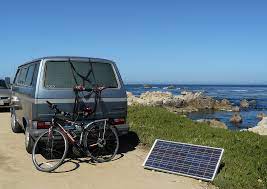
When it comes to evaluating your energy needs for emergencies, a reliable solar power system is a top choice for ensuring continuous electricity supply. Determining the wattage requirements for essential appliances and devices during emergencies is crucial for selecting the best emergency solar power system. Whether it’s powering medical equipment, communication devices, or keeping essential lights and appliances running, assessing your energy needs is the first step towards preparedness. Understanding the capacity and output of different solar power systems is essential for making an informed decision. By evaluating your energy needs, you can ensure that your emergency solar power system provides sufficient and reliable electricity during critical times.
Best Solar Panels for Emergency Preparedness
In times of emergency, having a reliable power source is crucial. Photovoltaic panels have become a popular option for emergency preparedness due to their ability to generate electricity using renewable energy. The top emergency solar power system should be convenient, durable, and have a high power output. Some of the top solar panels for emergency preparedness include Renogy 100 Watt 12 Volt Monocrystalline Solar Panel. These panels are designed to withstand harsh weather conditions and can be easily moved. They also provide enough power to charge essential devices such as phones, laptops, and medical equipment. Investing in a high-quality emergency solar power system can provide peace of mind and ensure that you are prepared for any situation.
The Crucial Role of Battery Backup in Reliable Solar Power
A battery backup system is crucial for reliable solar power. In the event of an emergency or power outage, having a reliable battery backup ensures that you can still access the solar energy stored during sunlit hours. Off-grid or remote locations with limited access to traditional power sources benefit greatly from a reliable battery backup system. A high-quality battery backup system not only provides peace of mind but also allows for continuous power supply, making it the key to uninterrupted solar power. For residential, commercial, or industrial use, a robust battery backup system is a smart investment for reliable emergency solar power.
- Prescott Valley in Arizona offers an ideal location for solar power due to its high solar insolation levels, minimal cloud cover, low precipitation levels, and warm climate, making it a highly suitable choice for solar energy adoption.
- Portable air purifiers help solve air pollution, creating safe environments anywhere.
- Solar flares may not directly make you feel physically tired, but they can have an indirect effect on your energy levels.
- For those looking to become more self-reliant and reduce their environmental impact, living off the grid with solar power is an attractive option, though it does require an investment of materials and time. Generally, one solar panel and battery per 1,000 watts of power is necessary, though variations of this may be needed depending on the individual setup.
- Portable air purifiers help solve air pollution, creating safe environments anywhere.
Inverter Tech for Emergency Solar Systems
One essential aspect of an emergency solar power system is the converter technology used. Inverters play a essential role in converting the direct current (DC) energy generated by solar panels into AC energy that can be used to power electrical devices. When it comes to emergency situations, having a dependable and efficient converter is essential to ensure a steady and consistent power supply. The best emergency solar power systems make use of cutting-edge inverter technology that offers features like surge protection, voltage regulation, and grid compatibility. These converters can provide smooth power transfer and are capable of handling high loads, making them ideal for emergency situations where power may be limited or unstable. With the correct inverter technology, an emergency solar power system can provide a reliable and effective source of electricity when it is needed the most.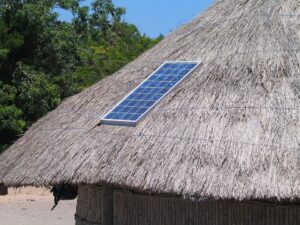
Optimizing Efficiency of Solar Charge Controllers
When it comes to backup solar power systems, one of the essential components to consider is the solar charge controller. This device is responsible for maximizing the effectiveness of the system by regulating the movement of electricity from the solar panels to the batteries. A reliable solar charge controller will ensure that the batteries are charged properly, preventing overloading or undercharging. It also shields the batteries from detriment due to excessive voltage or current. Additionally, some cutting-edge solar charge controllers come with features like MPPT (Maximum Power Point Tracking) technology, which boosts the system’s performance by harvesting the maximum power from the solar panels. Picking the appropriate solar charge controller is vital in guaranteeing that your backup solar power system performs at its best when you require it the most.
Choosing Between Portable and Stationary Solar Systems for Emergencies
When it comes to choosing the best backup solar power system, the decision between mobile and stationary solar systems is essential. Mobile solar systems offer the advantage of mobility, allowing for easy movement and use in various emergency situations. They are ideal for outdoor activities and short-term power outages. Conversely, fixed solar systems are built to provide a more permanent and dependable source of backup power. These systems are typically bigger and can produce more power, making them appropriate for extended outages or off-grid living. Ultimately, the decision between portable and stationary solar systems depends on the specific emergency power needs and the duration of power outages.
Establishing Emergency Solar Power Systems
When it comes to emergency preparedness, installing a reliable solar power system is crucial. To make sure optimal operation, there are various installation tips to consider. First, it’s vital to assess the location and positioning of the panels to optimize sunlight exposure. Additionally, choosing high-quality, durable equipment is key for long-term reliability. Proper wiring and connection of the system are also critical to its effectiveness during emergencies. Moreover, routine maintenance and monitoring of the system’s operation are essential to ensure its readiness when needed. By following these installation tips, individuals can have peace of mind knowing they have a dependable emergency solar power system in place.
Maintaining Your Solar Power System to Ensure Reliability
Maintaining your emergency solar power system is crucial for ensuring reliability when you need it most. Regular inspections of the solar panels, battery storage, and overall system functionality are crucial to keep everything in working order. Wipe down the solar panels to maximize energy absorption and check for any damage or debris. Ensure the battery storage for adequate voltage levels and connections. It’s also crucial to evaluate the system regularly to ensure it will function during an emergency. By being proactive with maintenance, you can have confidence that that your emergency solar power system is ready to provide reliable power when you need it.
Overseeing and Regulating Solar Energy Storage
One vital aspect of an emergency solar power system is the ability to monitor and manage the storage of solar energy. With the unforeseeable nature of emergencies, it is vital to have a reliable system in place that can efficiently store and distribute solar power. A monitoring system allows users to keep track of the energy levels, ensuring that there is enough power available when needed. Additionally, a management system enables users to optimize energy usage and prioritize critical appliances during emergencies. This ensures that essential devices such as medical equipment or communication systems receive power first. With advanced technology and intelligent systems, monitoring and managing solar energy storage have become more effective, providing peace of mind during emergency situations.
Upgrading Your Solar Power System for Enhanced Performance
When it comes to emergency situations, having a reliable source of power is crucial. That is why it makes sense to upgrade your solar power system. Due to technological advancements, the latest emergency solar power systems are more efficient and powerful than ever. These systems are designed to provide a reliable source of electricity during power outages or natural disasters. They feature high-capacity batteries that can store surplus energy, ensuring power supply even without sunlight. Moreover, these systems often include built-in inverters that enable the conversion of DC power from solar panels into AC power for operating household appliances. Therefore, if you desire peace of mind, knowing that you will have power in emergencies, consider upgrading your solar power system for improved performance.
Financial Breakdown: Emergency Solar Power Investment
When it comes to emergency preparedness, having a reliable source of power is crucial. That’s where a solar power system comes in. Not only does it provide a sustainable and renewable source of energy, but it also ensures that you won’t be left in the dark during power outages or emergencies. However, before investing in an emergency solar power system, it’s important to consider the cost. While the initial investment may seem daunting, it’s important to analyze the long-term benefits. With solar power, you can significantly reduce or even eliminate your monthly electricity bills. Additionally, many governments and utility companies offer incentives and rebates for installing solar panels. By conducting a cost analysis, you can determine the return on investment and make an informed decision about whether a solar power system is the best option for your emergency preparedness needs.
Innovations in Solar Power Technology for Emergencies
In times of emergencies, having a dependable source of power is essential. That’s where emergency solar power systems come in. These cutting-edge systems harness the power of the sun to provide electricity when conventional power sources are not accessible. With advancements in solar power technology, these systems have become more productive and handy than ever before. The best emergency solar power systems are equipped with large-capacity batteries that can store energy for prolonged periods. They also feature numerous charging options, including solar panels, car charging, and AC outlets, ensuring that you can recharge your devices and appliances in various situations. Whether you’re facing a natural disaster or a power outage, investing in the best emergency solar power system will give you assurance and reliable power when you need it most.
Case Studies: Emergency Solar Power Installations that Were Successful
When it comes to emergency situations, having a dependable source of power is vital. Solar energy systems have emerged as a popular solution for providing electricity in times of emergencies. In this article, we will examine some case studies of successful installations of solar power systems for emergencies. These actual cases will demonstrate the effectiveness and benefits of utilizing solar energy during emergency situations. From supplying electricity to hospitals and emergency response centers to supplying power to rural communities in times of natural disasters, these real-life examples will exhibit the adaptability and dependability of emergency solar power systems. Whether it’s for instant reaction or prolonged power supply, these installations have shown to be a precious asset during crisis.
Support for Solar Energy and Government Incentives
One of the key factors to consider when selecting the best backup solar power system is the government incentives and support for solar energy. Many governments around the world have recognized the importance of transitioning to renewable sources of energy and have implemented various programs to encourage the adoption of solar power. These incentives can include tax credits, grants, and rebates, which can significantly reduce the upfront costs of installing a solar power system. Additionally, some governments provide support through net metering programs, allowing homeowners to sell excess electricity generated by their solar panels back to the grid. By taking advantage of these government incentives and support, individuals can not only reduce their reliance on traditional power sources during emergencies but also contribute to a more sustainable and environmentally friendly future.
Harnessing Solar Power for Natural Disaster Preparedness
In times of emergencies, having a reliable source of power is vital. That’s where an emergency solar power system comes in. These systems are designed to supply electricity when conventional power sources are not accessible. With solar panels that harness the sun’s energy, these systems can produce electricity to power necessary appliances and devices. They are mobile and easy to set up, making them great for emergency situations. Whether it’s during a hurricane, earthquake, or any other catastrophe, having an backup solar power system can provide peace of mind knowing that you have a secondary power source. So, don’t hesitate for a catastrophe to occur – be ready with the best emergency solar power system.
[google-map location=”Prescott Valley AZ” width=”250″ height=”250″ float=”left”]
Community Impact: Integrating Solar Power in Emergency Response
In times of emergencies, dependable and efficient power source is crucial. This is where disaster solar power systems come into play, providing a sustainable solution for communities in need. These systems tap into the power of the sun to generate electricity, offering a clean and renewable energy source that can be relied upon during times of crisis. With the ability to charge essential devices, power emergency lights, and even run small appliances, emergency solar power systems have a significant impact on the community. They provide a sense of security and independence, ensuring that vital services and communication remain functional when traditional power sources fail. By investing in these systems, communities can be better prepared for emergencies and ensure the safety and well-being of their residents.
Solar Power Systems for Emergencies: What’s Next?
In light of the growing frequency and intensity of natural disasters, the need for trustworthy emergency solar power systems is on the rise. The future direction in this domain revolves around improving the portability and efficiency of solar power solutions. Compact yet powerful emergency solar power systems are being developed by integrating advanced battery technology and lightweight, durable solar panels. Additionally, there is a growing emphasis on incorporating smart technology to monitor and manage energy usage during emergencies. These developments are crucial in ensuring that individuals and communities have access to sustainable and dependable power sources when traditional grids fail, making emergency solar power systems an essential component of disaster preparedness.
Finding the Best Emergency Solar Power System for Your Requirements
When it comes to choosing the best emergency solar power system for your needs, several factors should be taken into consideration. Firstly, the system’s power output should align with your energy requirements during an unforeseen event. Look for a system with a high wattage capacity to ensure it can power essential devices. Portability is also crucial, so opt for a system that is lightweight and portable. Additionally, consider the system’s battery capacity and charging options to ensure it can store sufficient energy for extended use. Finally, look for features like sturdy construction and multiple output ports for versatility. By evaluating these factors, you can select the best standby solar power system to provide reliable energy during unexpected situations.
Ham Radio: A Lifeline During Disaster Situations in Norwalk CT
The Functionality of Ham Radio Amidst Catastrophes in Burnsville MN
Navigating Disasters with Ham Radio : How Does it Work in Loveland CO
Emergency Solar Electricity in Shakopee MN
Ham Radio: A Lifeline During Disaster Situations in Gary IN
Solar Power’s Impact on Reducing Global Warming
Solar power is a critical component in the fight against global warming. By producing clean, renewable energy, solar power significantly reduces greenhouse gas emissions that accelerate climate change. Widespread adoption of solar energy can bring about a marked drop in global temperatures, assisting with stabilize our climate and preserve natural habitats.
Cutting-Edge Developments in Solar Power
Recent innovations in solar power are enabling it increasingly viable and affordable than ever. Improvements in solar panel productivity, power retention, and installation methods are speeding up the transition to renewable energy. These developments not only enhance solar energy generation, but furthermore cut the overall expense of solar setups, making them more attainable to households and companies similarly.
Economic Impact of Solar Power on Climate Change
Investing in solar power yields numerous economic benefits that surpass simply reducing greenhouse gas emissions. Switching to solar energy creates jobs in fabrication, deployment, and upkeep, improving local economies. Additionally, solar power offers energy cost savings for consumers and enterprises, freeing up resources for other purposes. In the long term, solar investments provide financial returns that support a resilient and climate-resilient economy.