Key Takeaways:
- Emergency solar power systems ensure energy independence during outages .
- Choosing the right components is crucial for system efficiency and reliability.
- Solar power systems must be scalable and adaptable to changing energy needs.
- A thorough cost-benefit analysis is essential for evaluating the investment in solar power.
- Proactive maintenance and monitoring are essential for a reliable solar power system.
Learning about Emergency Solar Power Systems
When it comes to being prepared for emergencies, having a trustworthy power source is essential. That’s where alternative solar power systems come in. These systems tap into the power of the sun to provide electricity during periods of emergency. The finest emergency solar power systems are small, handy, and simple to set up. They typically include a solar panel, a battery pack, and an inverter to convert solar energy into usable electricity. These systems can be employed to charge vital devices like phones, laptops, and medical equipment, ensuring that you have access to connectivity and critical tools when conventional power sources are out of reach. The Best Emergency Solar Power System around Upland CA is not a mystery. With their eco-friendly and renewable energy source, backup solar power systems are a dependable and green solution for any emergency situation.
Vital Parts of Solar Power Systems–Best Emergency Solar Power System around Upland CA
In terms of emergency preparedness, having a dependable power source is essential. This is where an emergency solar power system becomes invaluable. These systems are specifically designed to provide electricity during power outages or other emergency situations. The key components of a solar power system consist of solar panels, a charge controller, batteries, and an inverter. Solar panels are responsible for converting sunlight into electricity, while the charge controller manages the flow of electricity from the panels to the batteries. The batteries store the electricity generated by the panels, ensuring power availability when required. Finally, the inverter transforms the stored DC power into AC power, which can be utilized to operate household appliances and devices. By ensuring the presence of these components, a reliable emergency solar power system can guarantee electricity even in the event of a grid failure.
[ssvideo keyword=”Best Emergency Solar Power|Solar Power for Survival”title=””display=”3″ custom_title=”false”]
Evaluate Your Energy Requirements for Emergencies
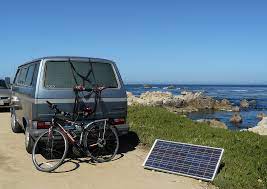
When it comes to evaluating your energy needs for emergencies, a reliable solar power system is a top choice for ensuring continuous electricity supply. Determining the wattage requirements for essential appliances and devices during emergencies is crucial for selecting the best emergency solar power system. Whether it’s powering medical equipment, communication devices, or keeping essential lights and appliances running, assessing your energy needs is the first step towards preparedness. Understanding the capacity and output of different solar power systems is essential for making an informed decision. By evaluating your energy needs, you can ensure that your emergency solar power system provides sufficient and reliable electricity during critical times.
Top Solar Panels for Emergency Preparedness
In times of emergency, having a reliable power source is crucial. Solar energy panels have become a popular option for emergency preparedness because of their capacity to produce electricity using renewable energy. The ideal emergency solar power system should be portable, durable, and have a high power output. Some of the top solar panels for emergency preparedness include Renogy 100 Watt 12 Volt Monocrystalline Solar Panel. These panels are designed to withstand harsh weather conditions and can be easily carried. They also provide enough power to charge essential devices such as phones, laptops, and medical equipment. Investing in a top-notch emergency solar power system can provide peace of mind and ensure that you are prepared for any situation.
The Crucial Role of Battery Backup in Reliable Solar Power
A battery backup system is crucial for reliable solar power. During emergencies or power outages, a reliable battery backup system allows for continued access to solar energy. This is particularly crucial for off-grid or remote locations where access to traditional power sources may be limited. A high-quality battery backup system not only provides peace of mind but also allows for continuous power supply, making it the key to uninterrupted solar power. Whether for residential, commercial, or industrial use, investing in a robust battery backup system is a smart choice for ensuring reliable emergency solar power.
- Upland, CA’s sunny and warm climate, abundance of sunlight, and low precipitation make it an ideal location for solar power implementation, with the potential to meet energy needs and contribute to a sustainable future.
- The number of lithium batteries required to power a house depends on its energy consumption and battery capacity.
- Installing a solar power generator is a prudent investment in renewable energy, however, it is important to note that solar panels do require maintenance in order to ensure optimal performance and longevity.
- The life expectancy of a portable power station depends on various factors such as usage, maintenance, and quality.
- The number of lithium batteries required to power a house depends on its energy consumption and battery capacity.
Inverter Breakthroughs for Emergency Solar Systems
One important aspect of an emergency solar power system is the inverter technology used. Inverters play a essential role in transforming the direct current (DC) energy generated by solar panels into alternating current (AC) energy that can be used to power electrical devices. When it comes to emergency situations, having a dependable and effective converter is crucial to ensure a steady and consistent power supply. The best emergency solar power systems utilize state-of-the-art converter technology that offers features like surge protection, voltage regulation, and grid compatibility. These inverters can provide smooth power transfer and are capable of handling high loads, making them ideal for emergency situations where power may be limited or unstable. With the proper converter technology, an emergency solar power system can provide a reliable and efficient source of electricity when it is needed the most.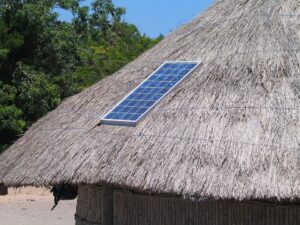
Enhancing Solar Charge Controller Efficiency
When it comes to standby solar power systems, one of the important components to consider is the solar charge controller. This device is tasked with maximizing the effectiveness of the system by regulating the movement of electricity from the solar panels to the batteries. A high-quality solar charge controller will ensure that the batteries are recharged properly, preventing overcharging or underloading. It also shields the batteries from damage due to too much voltage or current. Additionally, some innovative solar charge controllers come with features like MPPT (Maximum Power Point Tracking) technology, which boosts the system’s performance by extracting the maximum power from the solar panels. Picking the appropriate solar charge controller is vital in guaranteeing that your emergency solar power system performs at its optimal when you require it the most.
Portable vs. Stationary Solar Systems for Emergency Situations
When it comes to choosing the best backup solar power system, the decision between mobile and stationary solar systems is important. Portable solar systems offer the benefit of mobility, allowing for easy movement and use in various critical situations. They are ideal for camping and temporary power outages. Conversely, fixed solar systems are designed to provide a more long-lasting and dependable source of backup power. These systems are typically bigger and can generate more power, making them appropriate for extended outages or off-grid living. Ultimately, the choice between portable and stationary solar systems depends on the specific emergency power needs and the duration of power outages.
Establishing Emergency Solar Power Systems
When it comes to emergency preparedness, setting up a reliable solar energy system is essential. To make sure optimal performance, there are various installation tips to consider. First, it’s crucial to assess the location and positioning of the panels to maximize sunlight exposure. Additionally, selecting high-quality, durable gear is key for long-term reliability. Proper wiring and connection of the system are also critical to its efficiency during emergencies. Moreover, routine maintenance and monitoring of the system’s performance are crucial to guarantee its readiness when needed. By following these setup tips, individuals can have peace of mind knowing they have a dependable emergency solar power system in place.
Preserving the Reliability of Your Solar Power System with Regular Maintenance
Maintaining your emergency solar power system is important for ensuring reliability when you need it most. Regular inspections of the solar panels, battery storage, and overall system functionality are important to keep everything in working order. Remove any dirt from the solar panels to optimize energy absorption and check for any damage or debris. Check the battery storage for adequate voltage levels and connections. It’s also important to check the system regularly to ensure it will function during an emergency. By staying proactive with maintenance, you can have peace of mind that that your emergency solar power system will be ready to provide reliable power when you need it.
Observing and Directing Solar Energy Storage
One crucial aspect of an emergency solar power system is the ability to monitor and manage the storage of solar energy. With the uncertain nature of emergencies, it is vital to have a reliable system in place that can effectively store and distribute solar power. A monitoring system allows users to keep track of the energy levels, ensuring that there is enough power available when needed. Additionally, a management system enables users to optimize energy usage and prioritize critical appliances during emergencies. This ensures that essential devices such as medical equipment or communication systems receive power first. With state-of-the-art technology and intelligent systems, monitoring and managing solar energy storage have become more efficient, providing peace of mind during emergency situations.
Optimizing Your Solar Power System for Enhanced Performance
When it comes to emergency situations, having a reliable source of power is crucial. That is why it is a wise decision to upgrade your solar power system. Thanks to technological progress, the newest emergency solar power systems are more efficient and powerful than ever. These systems are created with the purpose of providing a reliable electricity source during power outages or natural disasters. They feature high-capacity batteries that can store surplus energy, ensuring power supply even without sunlight. Moreover, these systems often include built-in inverters that enable the conversion of DC power from solar panels into AC power for operating household appliances. Therefore, if you desire peace of mind, knowing that you will have power in emergencies, consider upgrading your solar power system for improved performance.
Cost Analysis: Investing in Emergency Solar Power
When it comes to emergency preparedness, having a reliable source of power is crucial. That’s where a solar power system comes in. Not only does it provide a sustainable and renewable source of energy, but it also ensures that you won’t be left in the dark during power outages or emergencies. However, before investing in an emergency solar power system, it’s important to consider the cost. While the initial investment may seem daunting, it’s important to analyze the long-term benefits. With solar power, you can significantly reduce or even eliminate your monthly electricity bills. Additionally, many governments and utility companies offer incentives and rebates for installing solar panels. By conducting a cost analysis, you can determine the return on investment and make an informed decision about whether a solar power system is the best option for your emergency preparedness needs.
Innovations in Solar Power Technology for Emergencies
In times of emergencies, having a dependable source of power is essential. That’s where backup solar power systems come in. These revolutionary systems harness the power of the sun to provide electricity when traditional power sources are not accessible. With advancements in solar power technology, these systems have become more productive and portable than ever before. The best backup solar power systems are equipped with high-capacity batteries that can store energy for prolonged periods. They also feature multiple charging options, including solar panels, car charging, and AC outlets, ensuring that you can replenish your devices and appliances in various situations. Whether you’re facing a natural disaster or a power outage, investing in the best emergency solar power system will give you confidence and trustworthy power when you need it most.
Case Studies: Emergency Solar Power Installations that Were Successful
When it comes to emergency situations, having a dependable source of power is crucial. Systems powered by solar energy have emerged as a well-liked option for providing electricity in times of emergencies. In this article, we will explore some success stories of prosperous emergency solar power installations. These real-life examples will highlight the efficiency and positives of using solar energy in emergency situations. From supplying electricity to hospitals and emergency response centers to supplying power to rural communities during natural disasters, these case studies will exhibit the adaptability and dependability of emergency solar power systems. Whether it’s for immediate response or prolonged power supply, these installations have demonstrated to be a useful asset when faced with crisis.
Government Incentives for Solar Energy and Support
One of the key factors to consider when selecting the best emergency solar power system is the government incentives and support for solar energy. Many governments around the world have recognized the importance of transitioning to renewable sources of energy and have implemented various programs to encourage the adoption of solar power. These incentives can include tax credits, grants, and rebates, which can significantly reduce the upfront costs of installing a solar power system. Additionally, some governments provide support through net metering programs, allowing homeowners to sell excess electricity generated by their solar panels back to the grid. By taking advantage of these government incentives and support, individuals can not only reduce their reliance on traditional power sources during emergencies but also contribute to a more sustainable and environmentally friendly future.
Solar Power Readiness for Natural Disasters
In times of natural disasters, having a reliable source of power is vital. That’s where an emergency solar power system comes in. These systems are designed to supply electricity when traditional power sources are unavailable. With solar panels that utilize the sun’s energy, these systems can produce electricity to power necessary appliances and devices. They are portable and simple to set up, making them perfect for crisis scenarios. Whether it’s during a storm, earthquake, or any other catastrophe, having an backup solar power system can provide peace of mind being aware that you have a secondary power source. So, don’t hesitate for a disaster to occur – be prepared with the best backup solar power system.
[google-map location=”Upland CA” width=”250″ height=”250″ float=”left”]
Community Impact: Utilizing Solar Power for Emergency Response
In times of emergencies, having a reliable and efficient power source is crucial. This is where crisis solar power systems come into play, providing a sustainable solution for communities in need. These systems utilize the power of the sun to generate electricity, offering a clean and renewable energy source that can be relied upon during times of crisis. With the ability to charge essential devices, power emergency lights, and even run small appliances, emergency solar power systems have a significant impact on the community. They provide a sense of security and independence, ensuring that vital services and communication remain functional when traditional power sources fail. By investing in these systems, communities can be better prepared for emergencies and ensure the safety and well-being of their residents.
Upcoming Trends in Solar Power Systems for Emergency Situations
In light of the growing frequency and intensity of natural disasters, there is an increasing demand for dependable emergency solar power systems. Future trends in this field are focusing on enhancing the portability and efficiency of solar power solutions. Integration of advanced battery technology and lightweight, durable solar panels is creating compact yet powerful emergency solar power systems. Additionally, there is a growing emphasis on incorporating smart technology to monitor and manage energy usage during emergencies. These advancements are essential in guaranteeing that individuals and communities have access to sustainable and reliable power sources in the event of traditional grid failures, establishing emergency solar power systems as a critical element of disaster preparedness.
Opting for the Optimal Emergency Solar Power System for Your Needs
When it comes to choosing the best standby solar power system for your needs, several factors should be taken into consideration. Firstly, the system’s power output should align with your energy requirements during an unexpected situation. Look for a system with a high wattage capacity to ensure it can power critical devices. Portability is also crucial, so opt for a system that is easy to carry and easy to transport. Additionally, consider the system’s battery capacity and charging options to ensure it can store enough energy for long use. Finally, look for features like strong construction and multiple output ports for flexibility. By evaluating these factors, you can select the best backup solar power system to provide reliable energy during unexpected situations.
The Mechanics of Ham Radio Operation During Crises in Lynwood CA
Navigating Disasters with Ham Radio : How Does it Work in Urbana IL
Harnessing Ham Radio in Disasters in Mansfield OH
Emergency Solar Electricity in Chelsea MA
Unraveling the Use of Ham Radio During Disasters in Noblesville IN
The Role of Solar Power in Mitigating Global Warming
Solar power is a critical component in the effort to reduce global warming. By creating clean, renewable energy, solar power significantly reduces greenhouse gas emissions that contribute to climate change. Global utilization of solar energy can lead to a marked decrease in global temperatures, aiding in stabilize our climate and safeguard ecosystems.
Recent Technological Progress in Solar Energy
Recent breakthroughs in solar power have made it more efficient and accessible than ever. Advances in solar panel productivity, energy storage, and deployment techniques are accelerating the transition to renewable energy. These innovations not only increase solar energy output, but also reduce the overall price of solar power systems, turning them more available to consumers and corporations equally.
Financial Advantages of Solar Energy in Combating Global Warming
Investing in solar power yields many economic benefits that extend beyond merely reducing greenhouse gas emissions. Transitioning to solar energy produces jobs in production, installation, and upkeep, enhancing local economies. Additionally, solar power yields reduced energy bills for households and companies, allocating resources for different uses. In the long term, solar investments yield economic gains that support a resilient and climate-resilient economy.